
SanDisk Data Recovery Services
 Need your data recovered from a SanDisk drive? We’ve recovered data from SanDisk USB flash drives and memory cards since 2007, with a 98% success rate and no data, no charge policy. If we can’t recover your files, you don’t pay for the recovery. Every case is handled in our own component-level lab — not outsourced — and you verify your recovered files before you pay. We also recover other major brands, including Samsung flash drives.
SanDisk Devices We Recover
We specialize in SanDisk flash media at the chip level, across the full product range:
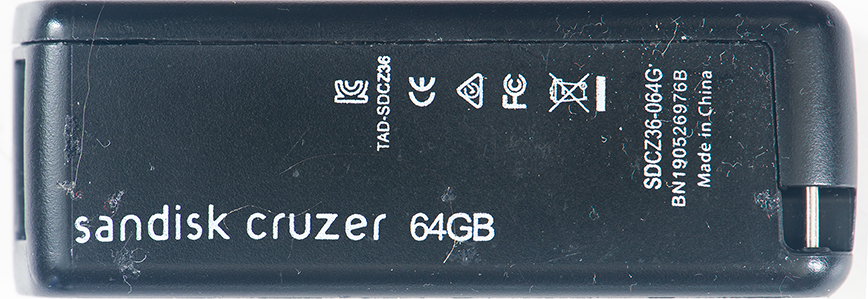
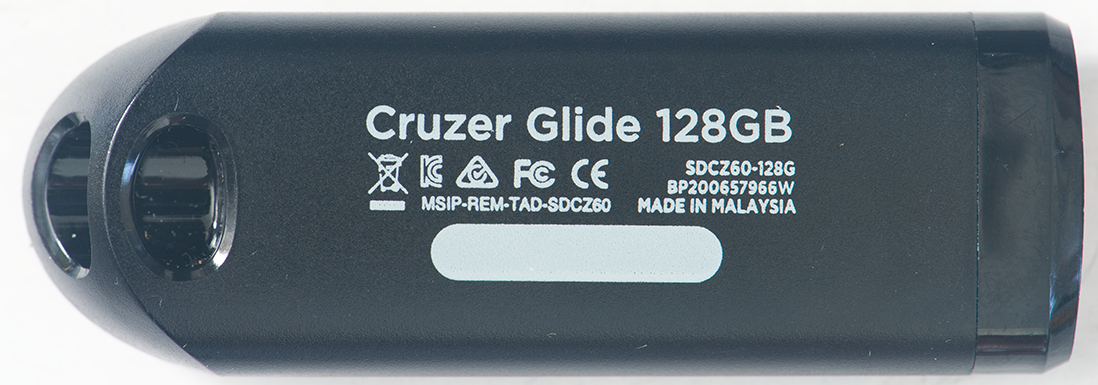
- SanDisk Cruzer — Blade, Glide, Fit, Switch, Force, and Micro USB drives
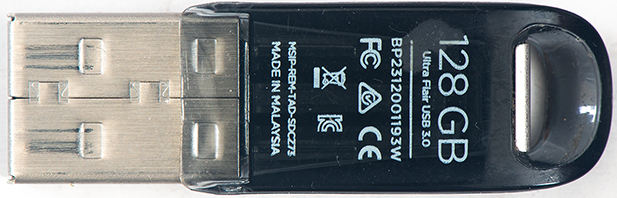
- SanDisk Ultra & Ultra Flair — USB 3.0/3.1 flash drives
- SanDisk Extreme & Extreme Pro — high-speed USB drives
- SanDisk SD, microSD memory cards
- SanDisk iXpand and dual-connector (USB-C / Lightning) drives
If your SanDisk device holds irreplaceable photos, documents, or work files and won’t open, we can almost certainly help — including cases other recovery companies turn away.
Send your media in for data recovery
Fill out the form below and we will generate a prepaid shipping label.
🔒 Your details are used only to create your prepaid shipping label. Free evaluation — and with our no data, no charge guarantee, you only pay if we recover your files.
Common SanDisk Failure Types — and Whether Your Data Is Recoverable
Most SanDisk data loss falls into one of four categories.
Broken or snapped USB connector
- The most common failure we see, notably in the Cruzer SDCZ48, SDCZ50, and SDCZ60 series use a connector design that fatigues and cracks with everyday plugging and unplugging. If the drive wobbles in the port, is intermittently detected, or has physically snapped, the memory itself is usually fine, it’s the connection that’s broken and is almost always recoverable.
Dead or failed controller
- When the controller chip that manages the drive fails, the drive may not power on or appear at all. We can replace the controller or read the raw NAND memory directly and rebuild the data using the drive’s specific addressing scheme.
Corrupted or RAW file system / accidental format
- The drive is detected but the file system is unreadable, RAW, or was accidentally formatted. As long as the flash memory is healthy and hasn’t been overwritten, the original data is typically still present in the flash memory chip.
Water, fire, or physical damage
- Liquid or impact damage sounds fatal but often isn’t. If the NAND memory survived, we can recover it even when the rest of the drive is destroyed by reading the physical flash memory chip.
SanDisk Cruzer Blade — Broken or Snapped Connector
Snapped your SanDisk Cruzer Blade? Your data is almost always still recoverable. The Cruzer Blade’s slim plastic housing makes it one of the most common SanDisk drives to snap at the USB connector — usually where the metal plug meets the circuit board. In nearly every case the flash memory that holds your files is undamaged: the break is mechanical, not electronic.
What we do with a broken Cruzer Blade
- Connector bent or torn loose — if the solder pads are intact, we re-solder it and read the drive normally.
- Pads or traces lifted — we transplant the memory to a donor board or read the NAND chip directly (chip-off).
- Board snapped through — even a drive broken in two is usually recoverable; the memory chip survives the break.
Don’t keep plugging it in. Forcing a loose connector back into a port can short the board and turn a simple repair into a much harder recovery. Send it to us — diagnosis is free and it’s no data, no charge.
How We Recover SanDisk Drives Others Can't: Component-Level & Monolithic Recovery
This is where we’re different. Many “data recovery” companies run software and stop when the drive won’t cooperate. We work at the component level — the same techniques a manufacturer would use.
PCB and controller repair / donor swaps.
- For physically damaged SanDisk drives, we repair the circuit board or transplant a matching controller using our library of SanDisk donor boards (for example, the 82-00515 controller boards used across several Cruzer models). We maintain a detailed SanDisk controller and donor database built over years of case work.
Off-chip NAND extraction.
- When a controller can’t be revived, we remove the NAND memory chip, read it directly, and reconstruct the file system using the drive’s specific ECC and addressing scheme.
Monolithic microSD & flash chip-off recovery
- Modern SanDisk microSD cards and many small USB drives are monolithic — the controller and memory are fused into a single microchip with no separate chip to lift. Recovering these requires locating microscopic test points and reading the raw flash directly. We began developing non-invasive monolithic techniques in 2011 and it’s now a core specialty.
Try This First — Safe DIY Steps (and When to Stop)
Before sending anything in, a few safe checks are worth a minute:
- Try a different USB port and a different computer. Rule out a bad port or cable.
- Do not reformat the drive, even if Windows or macOS prompts you to. Formatting makes recovery harder.
- Stop using the drive. Don’t save new files to it or run repair utilities that write to it.
- If files are simply deleted (drive still works normally), reputable recovery software may retrieve them.
When to stop: if the drive isn’t recognized, shows 0 bytes, asks to be formatted, makes no difference across ports, or is physically damaged,
stop now. Continued use or DIY tools that write to a failing drive can overwrite your data permanently. At that point it’s a hardware recovery — send it in for a free evaluation.
Our Process — From Broken Drive to Recovered Files
We’ve made professional recovery simple and risk-free:
- Submit your case online and print a free prepaid shipping label.
- Free diagnostic. We evaluate your SanDisk drive and give you a quote.
- You approve. Nothing proceeds until you say go.
- We recover your data in our in-house lab using the methods above.
- You verify your files before you pay. We show you a list of recovered files so you know exactly what came back.
- Secure return. You download your recovered data from our secure server or we copy the data onto another flash drive and mail it back for an additional fee.
No data, no charge. If we can’t recover your files, you owe nothing for the recovery.
Real SanDisk Recoveries
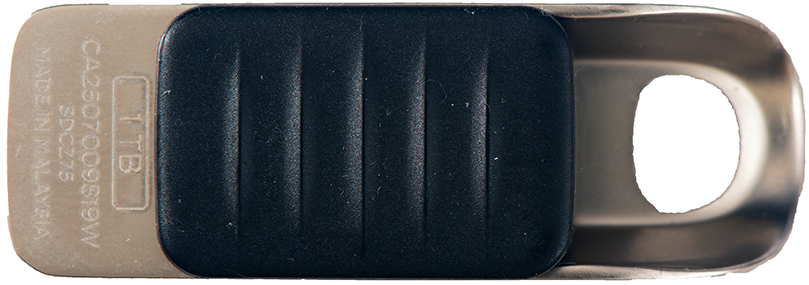
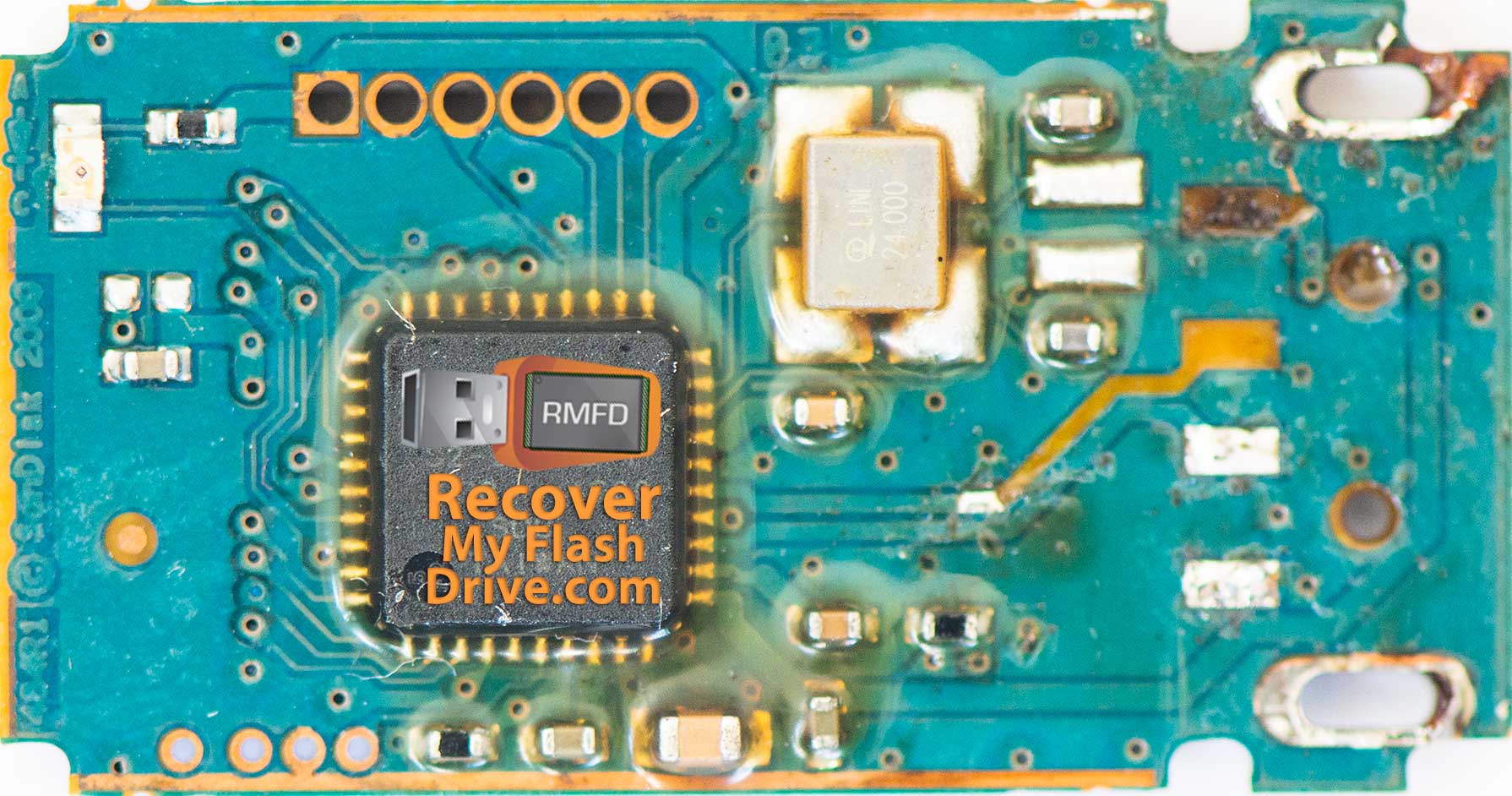
We just finished up a SanDisk Ultra Flair SDCZ75-1T00-G46 — a full 1TB USB flash drive — and as far as I know it’s the first 1TB SanDisk we’ve ever had on the bench. The drive came in unreadable after a failed transfer, Windows wanted to format it, and the controller was alive but the NAND was throwing read errors. Read More: SanDisk Ultra Flair 1TB (SDCZ75-1T00-G46)
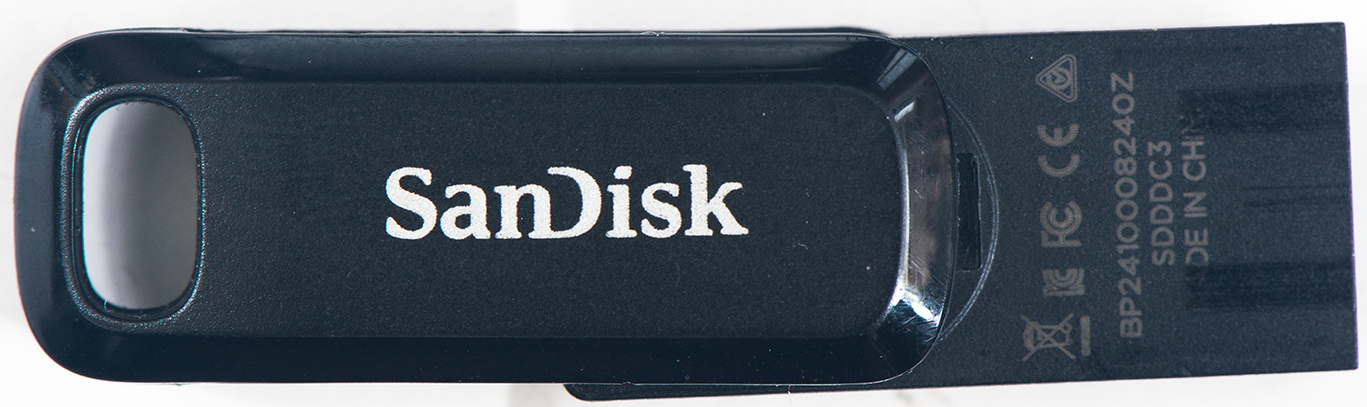
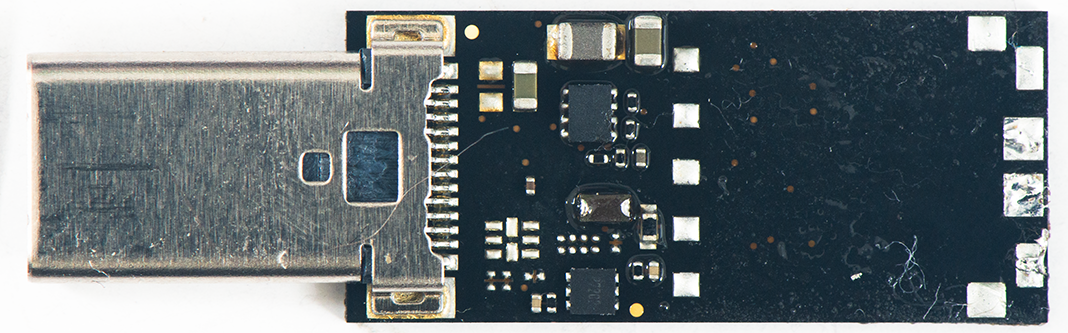
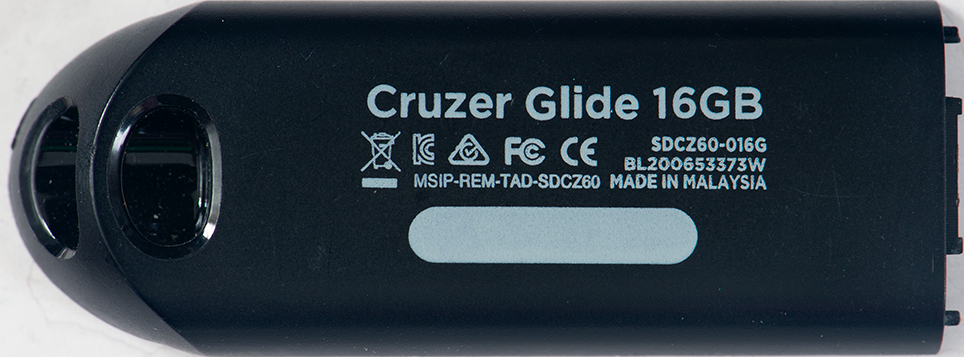
We received a SanDisk Cruzer Glide 16GB (SDCZ60-016G) with a broken USB connector. The connector had been snapped off, taking several of the PCB traces with it — a common failure mode for the Cruzer Glide line, where the slim retractable housing offers little structural protection for the solder joints. After removing the plastic casing and inspecting the damage under the microscope, we determined the board was repairable. Read More: SanDisk Cruzer Glide 16GB (SDCZ60-016G) – Broken Connector Repair
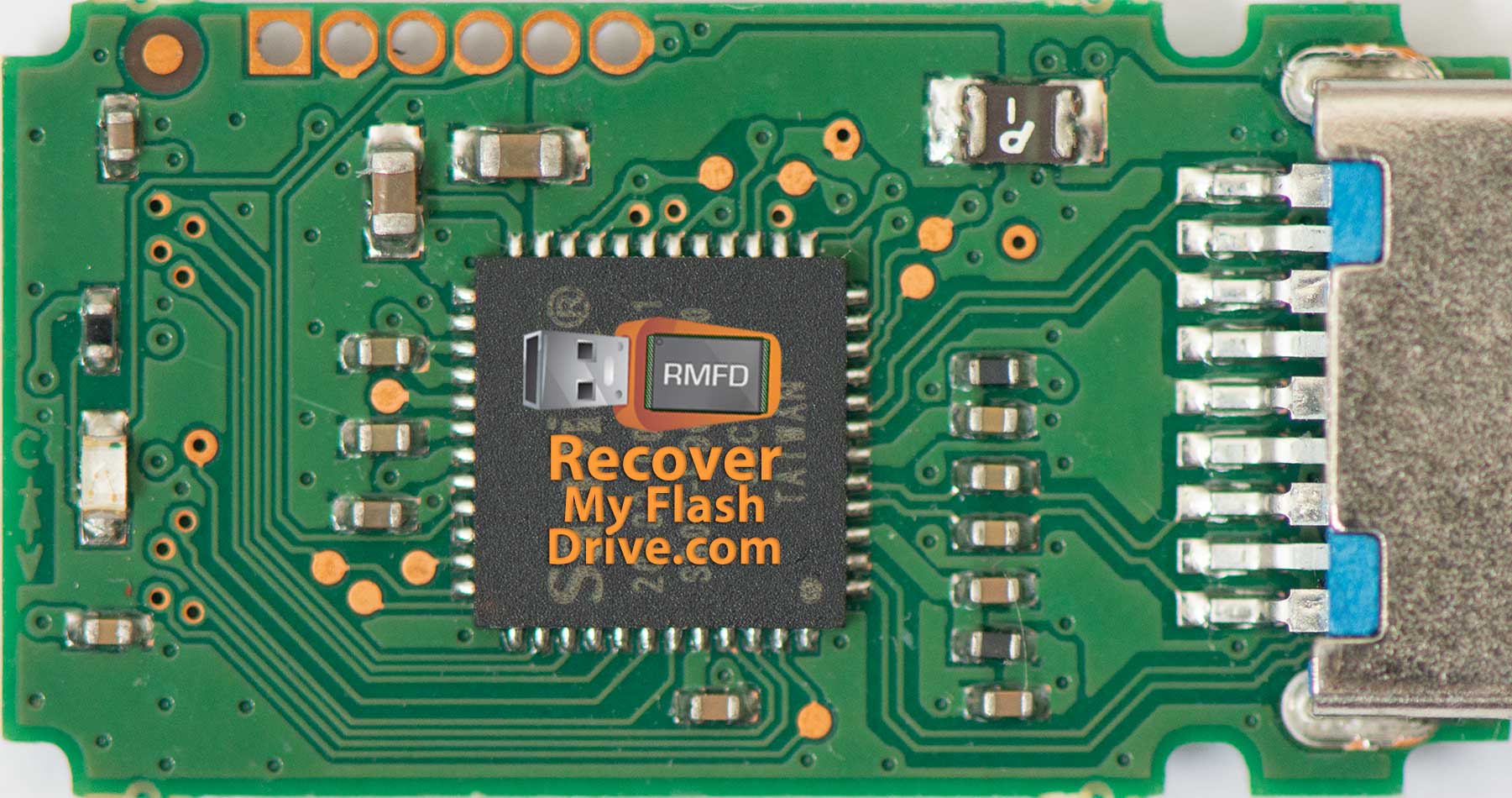 A customer contacted us after their SanDisk Ultra USB 3.0 512GB flash drive (model SDCZ48-512G-G46) became completely unresponsive. With the 20-82-00388-A1 controller, the circuit board and controller are extremely sensitive to voltage changes. Unlike many other flash drive controllers that can tolerate minor fluctuations in USB power delivery, this design has very tight voltage tolerances. Even the slightest overvoltage event — which can occur from a faulty USB port, a bad hub, a power surge, or even plugging into certain docking stations — can damage sensitive components on the board. Read More: SanDisk Ultra 3.0 SDCZ48-512G Data Recovery
SanDisk Data Recovery Pricing
We use flat-rate, upfront pricing — you’ll know the full cost before any work begins, and there are no hidden fees. Typical SanDisk recoveries fall in the $350 – $900 range depending on the failure type (a corrupted file system costs less than a monolithic chip-off recovery). Your exact price is confirmed with your free diagnostic, and you only pay if we recover your data.
Why Choose Recover My Flash Drive
- Since 2007 — nearly two decades specializing in flash media, not a general repair shop
- In-house component-level lab — nothing is outsourced or shipped to a third party
- 98% success rate, including cases other labs decline
- 5.0★ from 150+ verified Google reviews
- A real US facility in Bridgeport, CT — not a PO box
- No data, no charge, with file verification before you pay
SanDisk Recovery Questions
Almost certainly not. That message points to a controller or firmware fault, not erased data.Stop using the drive and don’t format it — we can typically recover it.
Yes. Monolithic cards are our specialty. We read the raw flash directly using techniques mostlabs don’t offer.
Then you don’t pay for the recovery — that’s our no-data, no-charge guarantee.
Yes — a snapped or broken USB connector is one of the most common and most recoverable failures we see. The break is mechanical, so the memory chip holding your data is almost always intact. We re-solder the connector or transplant the memory to a donor board to read the drive. Stop plugging it in and send it to us before the board is damaged further.
In the large majority of cases, yes. The Cruzer Blade commonly snaps at the connector, but the NAND flash chip that stores your files survives the break. We recover the chip directly and reconstruct your data, even from a drive broken in two.
When a SanDisk drive isn’t recognized, it’s usually a failed controller chip or damaged NAND memory rather than anything you did wrong — and it’s rarely fixable at home. If the drive holds important files, avoid formatting tools or repair utilities, which can overwrite recoverable data. We recover unrecognized SanDisk drives at the component level, including controller repair and direct chip-off reads.
It’s risky. Forcing a loose or partly detached connector back together can short the circuit board and destroy data that was otherwise fully recoverable. If the files matter, don’t reassemble it — send it in for a proper recovery instead.